JAMAICA | Concrete Over Carbon: Jamaica Paves its Rich Blue Carbon Coastline with Low Value Foreign Hi-Rises and Hotel Chains
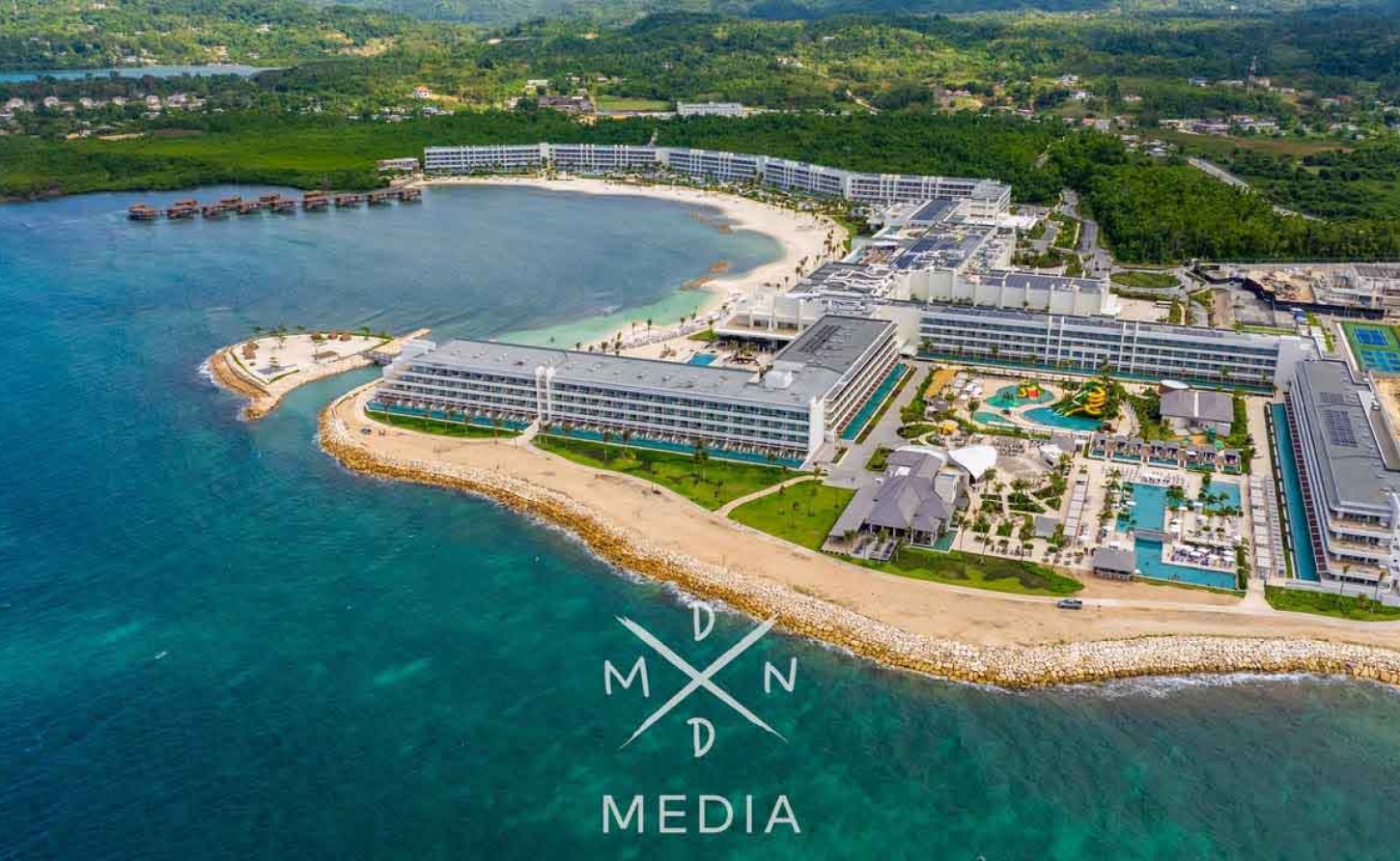
Drone photos of Princess Grand Jamaica & Princess Senses the Mangrove | Green Island, Jamaica
From Green Island to Rose Hall, the hotels lining Jamaica's north-western coast are consuming the very ecosystems that could make us rich — and the government is holding the door open.
The resort is called Princess Senses The Mangrove. Savour that name for a moment. It is among the most brazen acts of ecological branding in Caribbean tourism history — a luxury property, marketing itself as an intimate communion with nature. Yet, it is built on the grave of the very mangrove forest it bulldozed to exist.
When Jamaica Environment Trust's drone cameras captured the footage in April 2021, showing heavy equipment from outside of the parish, (most of which was attached to a popular government minister) tearing through mature, protected mangroves at Green Island, Hanover, the world watched. Jamaicans wept. The government smiled and said it was creating jobs.
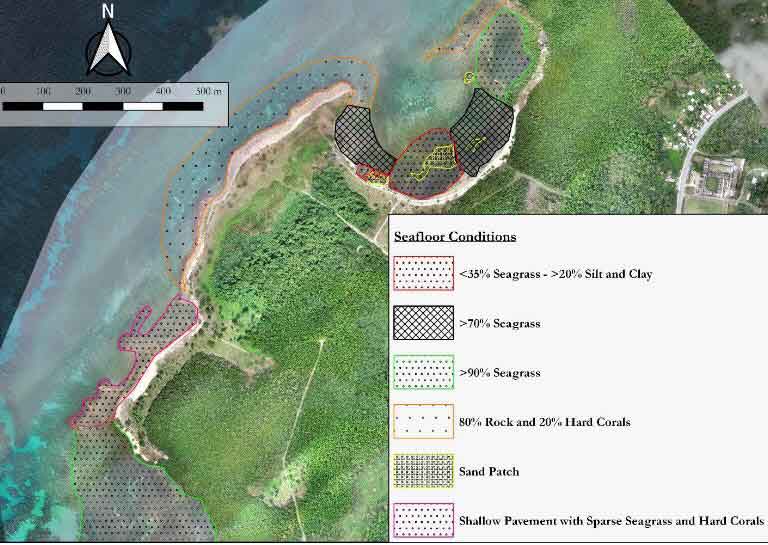
The Princess Horel Environmental Impact Report 2019
A 2020 assessment prepared by Econexus Limited found that the expected loss of mangroves from the Princess development would cost the Jamaican public approximately US$76,000 per year in additional carbon emissions alone. That was the calculation before the global carbon credit premium widened to more than 360 percent. Today, the opportunity cost is considerably higher.
And yet the administration, which has repeatedly sought international climate adaptation financing while standing at UN podiums, waved the project through. JET founder Diana McCaulay warned pointedly that Jamaica is "NOT a climate leader," as the drone footage spread across the internet. It is difficult to argue otherwise.
The Hyatt Corridor
Green Island is not an isolated case. Stretch east along the coastline into St. James and you encounter the sprawling Hyatt Inclusive Collection empire: Breathless, Dreams Rose Hall, Hyatt Ziva, Hyatt Zilara, Secrets St James, Secrets Wild Orchid, Jewel Grande, and Zoëtry Montego Bay — eight properties concentrated along one of the Caribbean's most biologically diverse coastal corridors.
Jamaica's 1,022 km coastline hosts some 64 hard coral species, 43 soft coral species and 8 black coral species, with fringing reefs distributed along a narrow 1-2 km shelf on the northern coastline — precisely where this hotel corridor sits. Every seawall constructed, every marina dredged, every manicured beachfront groomed represents a transaction conducted against the balance sheet of a reef system that took millennia to build.
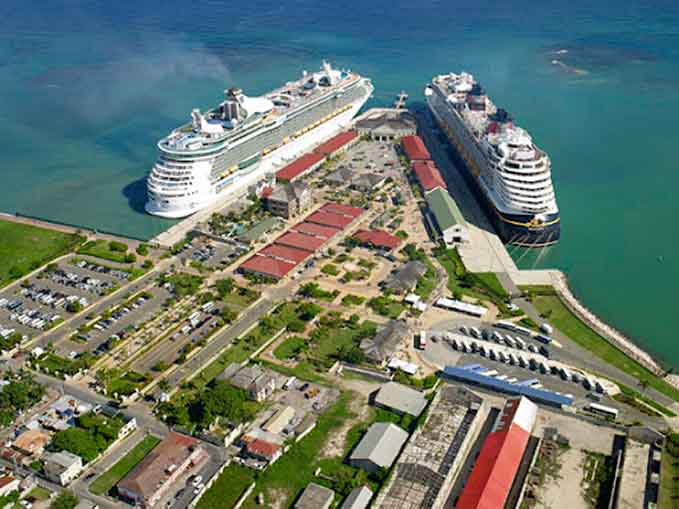
The Falmouth Cruise Ship Port
Development giveth the tourist dollar. Development taketh the coastline — and then the taxpayer foots the bill to stop the land from sliding into the sea.
What We Are Actually Throwing Away
The financial illiteracy at the heart of Jamaica's coastal development policy is staggering. A World Bank assessment found that Jamaica's mangroves sequester approximately 3.7 million tonnes of carbon annually, and that mangroves contribute between US$5,218 and US$54,145 in mixed fisheries value per hectare per year.
Stack those fisheries revenues against blue carbon credit income — with premium mangrove restoration credits trading between US$50 and US$70 per tonne and projected to rise to between US$40 and US$65 per tonne across the broader market by 2040 — and what emerges is a picture of spectacular, government-sanctioned squandering.
Eastern and Western Hanover represent the very geography that global carbon markets are desperate to access: pristine, verifiable, high-integrity blue carbon ecosystems. Corporations from Tokyo to Frankfurt need exactly what those coastlines hold. Instead of monetising preservation, we are selling room nights. Instead of registering blue carbon assets, we are building swim-up bars on top of them.
The Global Coral Reef Alliance warned bluntly that rebuilding Jamaica's damaged coastal infrastructure in the same manner as before Hurricane Melissa, given the near-complete pre-existing destruction of natural coral reef, mangrove, and seagrass coastal defences, guarantees far worse losses in the next major hurricane.
The Pinnacle of Contradiction
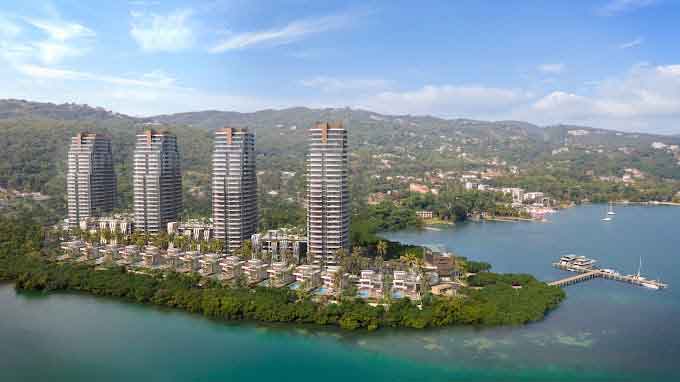
The Pinnacle Montego Bay US$450-million luxury development includes both residential and commercial components, aimed at attracting local and international buyers.
The project's own marketing extols "a peninsula fringed with mangroves" as a selling point. The developers are monetising the ecosystem's beauty while imperilling the ecosystem itself. That is a cruel irony dressed in architectural renderings.
The Accountability Question
The question that hovers over every groundbreaking ceremony, every ministerial statement about Jamaica's "biggest wave of tourism development," is deceptively simple: who benefits, and for how long?
The Princess Hotels group is headquartered in Spain. The Hyatt Inclusive Collection answers to Chicago. The Pinnacle's developer, LCH Developments, has Chinese principals. These are not Jamaican enterprises building generational wealth for Jamaican families.
They are multinational corporations extracting value from an irreplaceable Jamaican commons — our coastline — while Jamaica collects the low end of the bargain: jobs that Hurricane Melissa proved are as precarious as a three-month contract, and tax revenues subordinated to generous concession agreements.
Meanwhile, every hectare of mangrove cleared is a carbon credit Jamaica will never sell, a storm buffer that will never shelter a Hanover community, and a fisheries nursery that will never restock a potter's pond.
The government has a choice: continue auctioning off the coastline to international hotel brands, or build a blue carbon framework that makes preservation more profitable than development. Eastern and Western Hanover do not need another all-inclusive. They need a government with the vision to understand what they are actually worth — before the last pristine bay has a swim-up bar in it.
-30-
