JAMAICA | Black History and STEM Are Not Mutually Exclusive
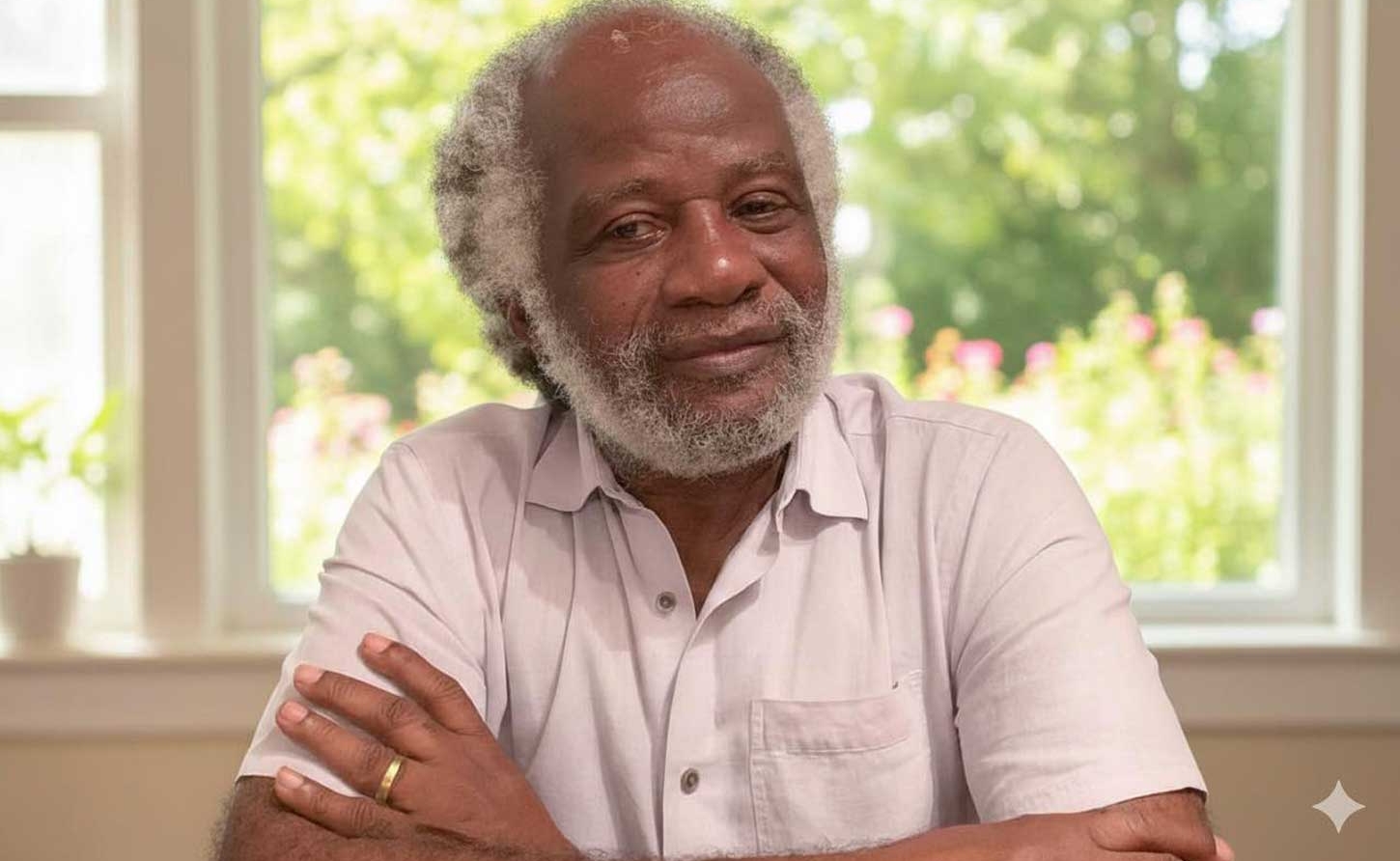
O. Dave Allen - Writer & Community Development Advocate
By O. Dave Allen
Each February, Jamaica and the wider African world pause to honour Black History Month. We recall resistance, survival, creativity, and the long struggle for dignity in a world shaped by colonial domination. In Jamaica, this reflection overlaps with Reggae Month, reinforcing a powerful narrative: culture as defiance, art as resistance, and identity as survival.
But history, if it is to serve liberation rather than nostalgia, must also equip us for the future. Black history and STEM are not mutually exclusive. In fact, they are inseparable.
Too often, Black History Month is framed as a celebration of culture divorced from material power. We uplift music, sport, and symbolism while remaining uneasy about science, technology, engineering, and mathematics—as if these fields belong to someone else’s civilisation. This is a dangerous distortion of history.
African civilisation was built on science and engineering. From metallurgy and irrigation to astronomy and architecture, African knowledge systems laid foundations that later powered global development. The transatlantic slave trade did not erase this intelligence; it exploited it. Enslaved Africans were valued precisely because they were skilled—builders, metallurgists, agricultural scientists in practice if not in title.
Jamaica’s own history bears this out. The island’s plantation economy relied on African expertise in land management, hydraulics, construction, and craft. After emancipation, it was the same knowledge—adapted, improvised, and passed down—that allowed freed people to build villages, farms, and industries under hostile conditions.
Reggae itself, often presented as purely cultural expression, was also a technological intervention. Sound system culture demanded innovation in acoustics, electronics, and engineering. The global reach of Jamaican music was made possible not only by lyricists and singers, but by technicians, producers, and inventors working with limited resources.
Today, Jamaica faces a new form of dependency. Power now flows through data, algorithms, energy systems, biotechnology, and advanced manufacturing. Nations without indigenous STEM capacity do not control their development; they rent it. Their sovereignty becomes symbolic rather than substantive.
To treat STEM as alien to Black identity is therefore a continuation of colonial thinking. It accepts the false premise that Black excellence is expressive but not technical, creative but not constructive, inspiring but not innovative. History tells a different story.
Black History Month should challenge us to reclaim the full spectrum of Black capability. That means laboratories as well as lecture halls, workshops as well as stages, coding labs as well as cultural centres. It means educating our children not only to consume technology, but to design, adapt, and govern it.
The choice before Jamaica is not between culture and science. It is between dependency and self-determination. Culture gives us voice. STEM gives us leverage. Together, they offer the possibility of real power in a world that increasingly respects only those who can produce, innovate, and adapt.
If Black history teaches anything, it is that survival alone is not enough. The task now is to convert memory into capacity, identity into infrastructure, and pride into production. Black history and STEM are not opposites. They are partners in the unfinished work of liberation.
O. Dave Allen is a community development consultant, writer, and former ILO Local Economic Development Coordinator.
-30-
