
CARIBBEAN | Who Gave Washington the Right?
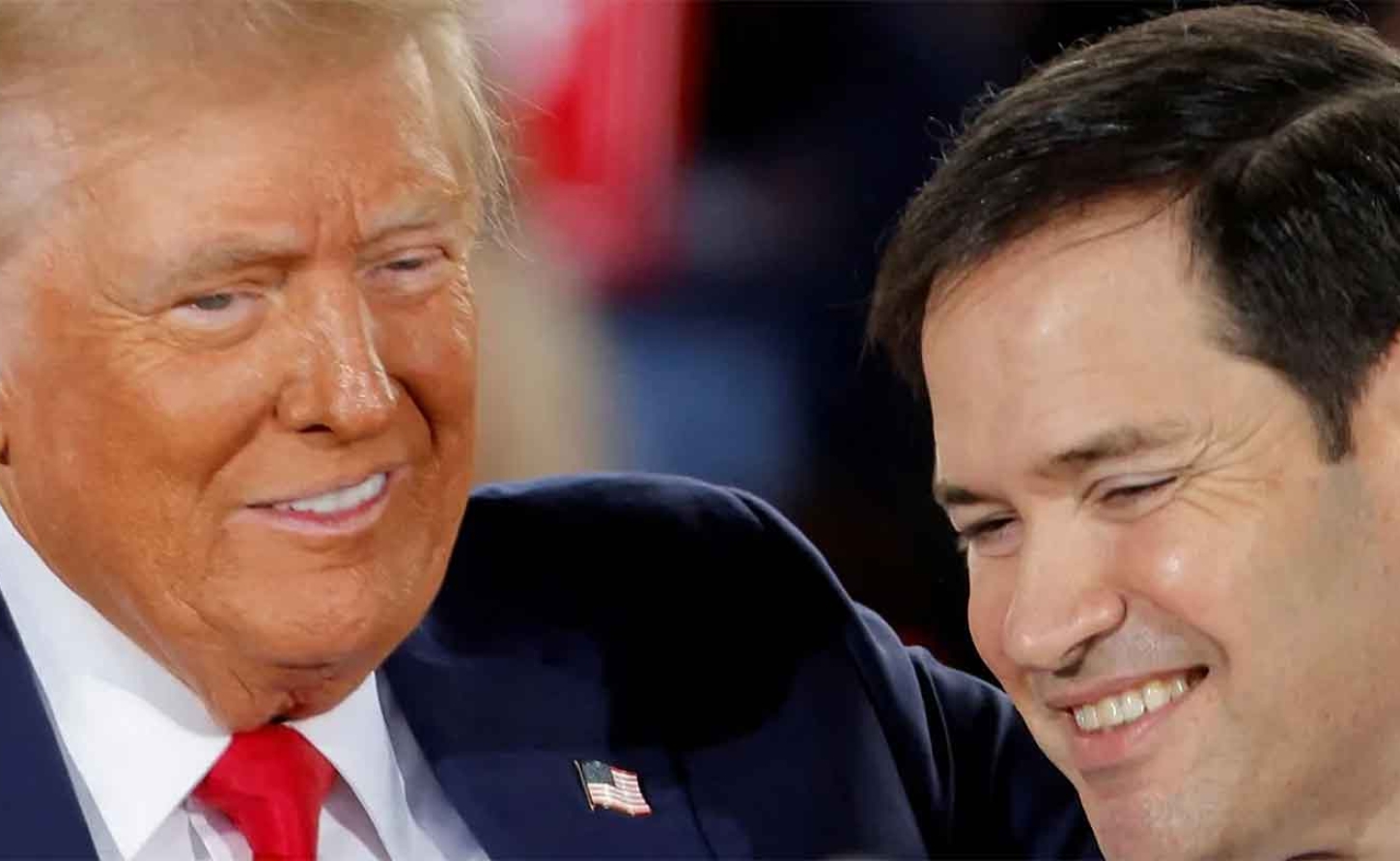
US President Donald Trump and Secretary of State Marco Rubio
The US Issues 'Instructions' to St. Lucia While Expelling Caribbean Citizens
As Marco Rubio prosecutes a 62-year vendetta against Cuba, Caribbean sovereignty becomes collateral damage
MONTEGO BAY, February 3, 2026 - The words landed with the weight of colonial decree. Standing before the Second World Congress on Racial and Ethnic Health Disparities this weekend, St. Lucia's Prime Minister Philip Pierre made an admission that should alarm every Caribbean citizen: "I have a big problem. Many of our doctors got trained in Cuba, and now the great United States has said we can't do that any longer."
Not requested. Not suggested. Said we can't.
Let that sink in. A sovereign nation—independent since 1979—has been issued instructions by Washington on where its citizens may pursue education. The United States, which does not fund these scholarships, does not operate these medical schools, and bears no responsibility for St. Lucia's healthcare outcomes, has arrogated unto itself the authority to dictate the educational partnerships of a foreign state.
By what right?
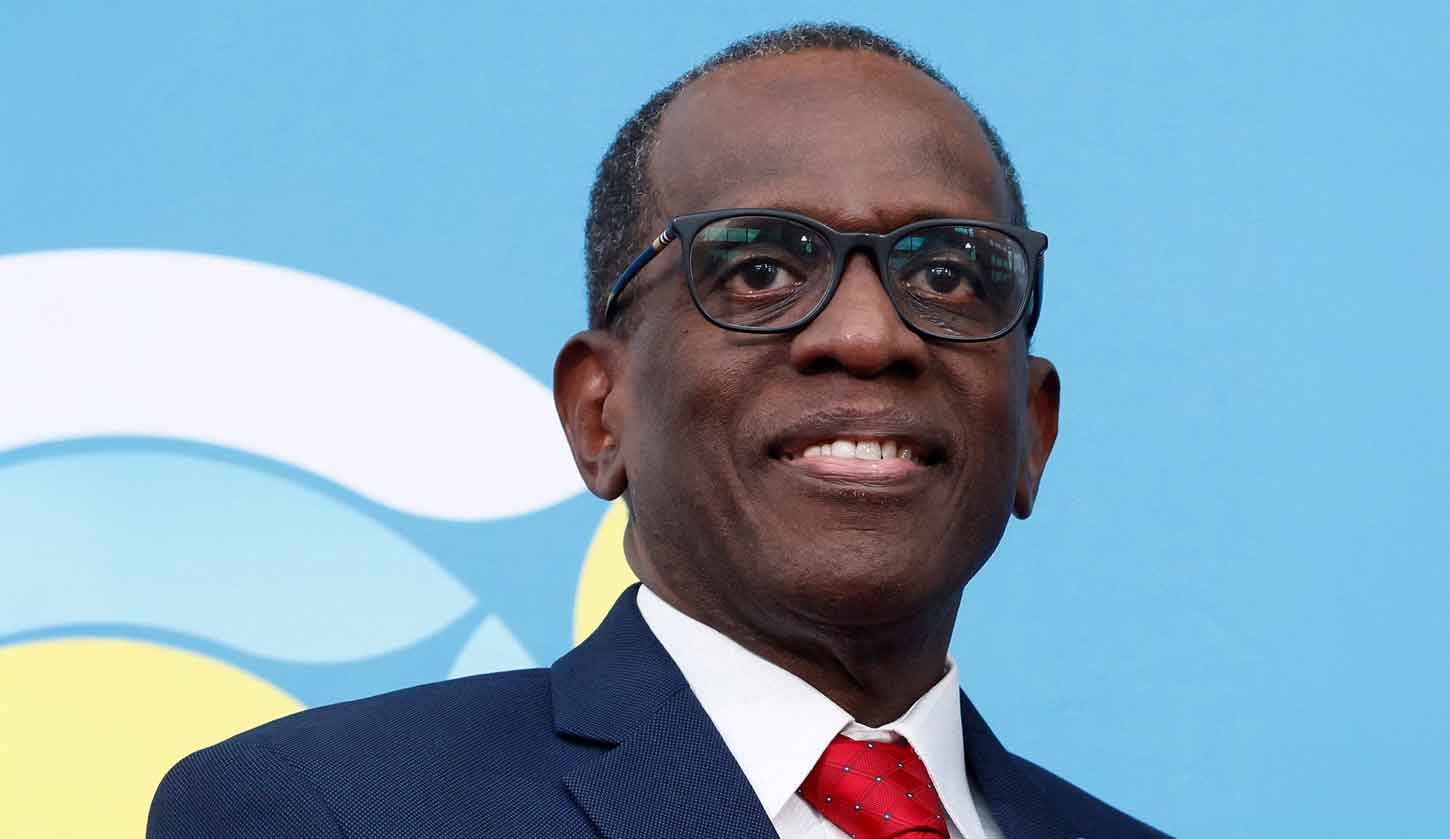 St. Lucia's Prime Minister Philip PierreRubio's 62-Year Vendetta
St. Lucia's Prime Minister Philip Pierre
The answer lies not in international law or diplomatic convention, but in one man's ideological obsession. For 62 years, Cuba has endured the most sustained economic blockade in modern history—a campaign of strangulation that has failed spectacularly to achieve regime change but has succeeded in immiserating ordinary Cubans. Now Secretary of State Marco Rubio, the Cuban-American hardliner who has made Havana's destruction his life's work, seeks to deliver the killing blow.
Washington has imposed an oil embargo on Cuba, blocking supplies from Venezuela and Mexico while threatening sanctions against any nation that dares assist Havana. The intent is naked: plunge eleven million Cubans into darkness and desperation until their government collapses. Caribbean medical partnerships represent another lifeline Rubio is determined to sever. For decades, Cuba has trained thousands of Caribbean physicians, creating the backbone of healthcare systems across the region. This arrangement—born of South-South solidarity, not Washington's largesse—offends Rubio's sensibilities. His State Department now peddles allegations of "forced labour" against Cuban medical missions, weaponizing human rights language to advance a transparently political agenda.
The Caribbean has become collateral damage in Washington's vendetta. Pierre admitted as much: "Some of my colleagues have already taken a position on this and banned them." One by one, Caribbean governments are being picked off, bullied into compliance with threats that remain largely unspoken but universally understood.
The Rank Hypocrisy
The audacity would be breathtaking if it weren't so enraging. Consider what Washington demands of the Caribbean even as it issues these imperial edicts.
The same administration telling St. Lucia where its students cannot study has revoked over 1,600 student visas and terminated the immigration status of more than 4,700 international students—many for infractions as minor as dismissed misdemeanours or campus protest activity. The same government lecturing Caribbean nations about Cuban partnerships has suspended immigrant visa processing for 75 countries, including Caribbean states. The same State Department issuing instructions to Pierre operates a sprawling detention archipelago housing nearly 70,000 migrants awaiting deportation.
And in a twist of particularly cruel irony, Washington is simultaneously pressuring CARICOM nations to accept deportees expelled from American soil—including third-country nationals who have never set foot in the Caribbean.
The message is unmistakable: Caribbean people are unwelcome in America, but Caribbean sovereignty still requires American approval.
A Manufactured Healthcare Crisis
Pierre did not mince words about the stakes: "Our medical system would basically collapse if the Cuban doctors were not here." This is not hyperbole. Cuban-trained physicians staff hospitals across the Eastern Caribbean. Cuban medical brigades fill gaps that neither local training nor Western aid programmes have ever addressed.
Yet Washington offers no alternative. The same administration strangling Cuban medical cooperation shuttered USAID programmes throughout the region. Marco Rubio demands the Caribbean abandon partnerships that work while providing nothing to replace them. This is not policy—it is sabotage.
The CARICOM Test
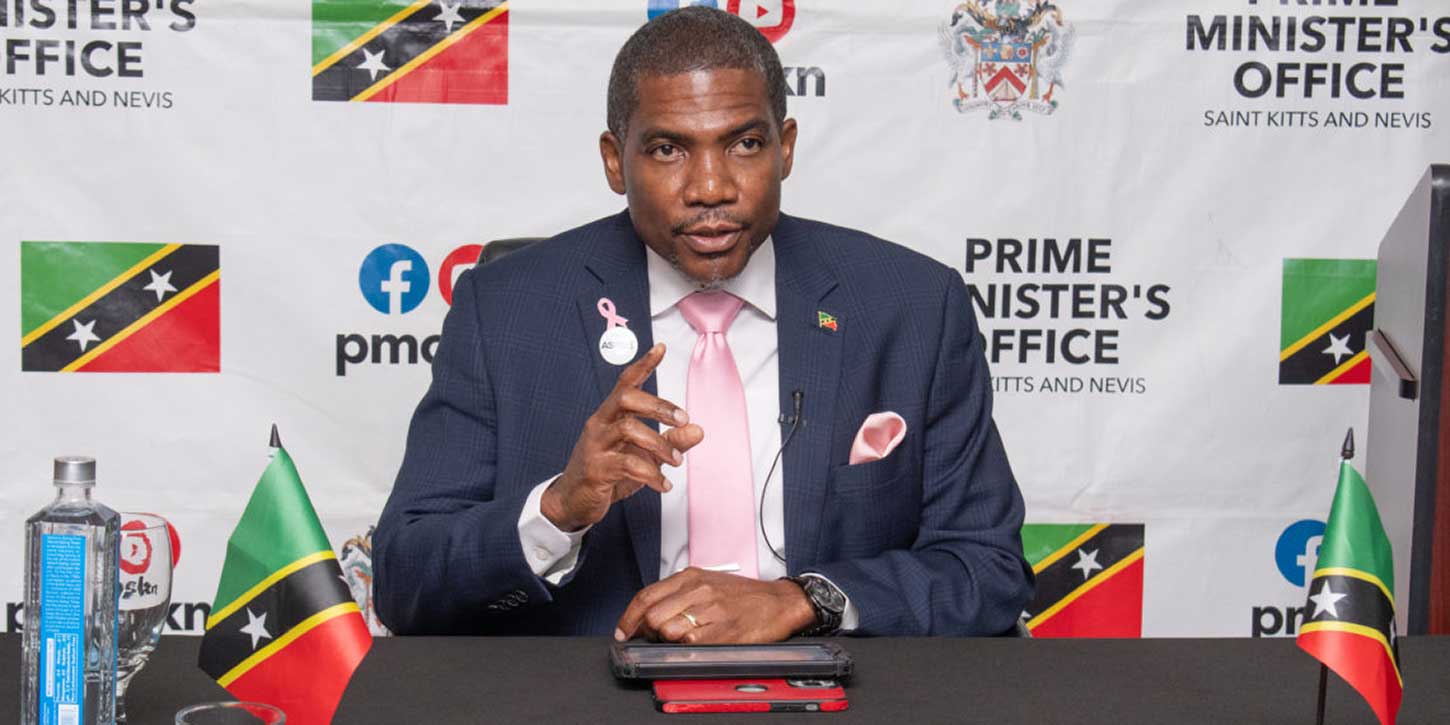
CARICOM Chairman St. Kitts and Nevis Prime Minister Dr.Terrance Drew
The summit's chairman, St. Kitts and Nevis Prime Minister Terrance Drew, is himself a Cuban-trained physician. He knows intimately what the region stands to lose. The question is whether CARICOM will muster the collective spine to say what individual leaders dare not: that Caribbean nations answer to their own citizens, not to Marco Rubio's vendettas.
If Washington can issue instructions to St. Lucia today, which nation receives orders tomorrow?
Our forebears did not throw off European empires to become vassals of Washington. Sovereignty is not negotiable—not for visas, not for aid, not for anything.
-30-
