JAMAICA | Jamaica on Washington’s Blacklist: Where Is the Government’s Response?
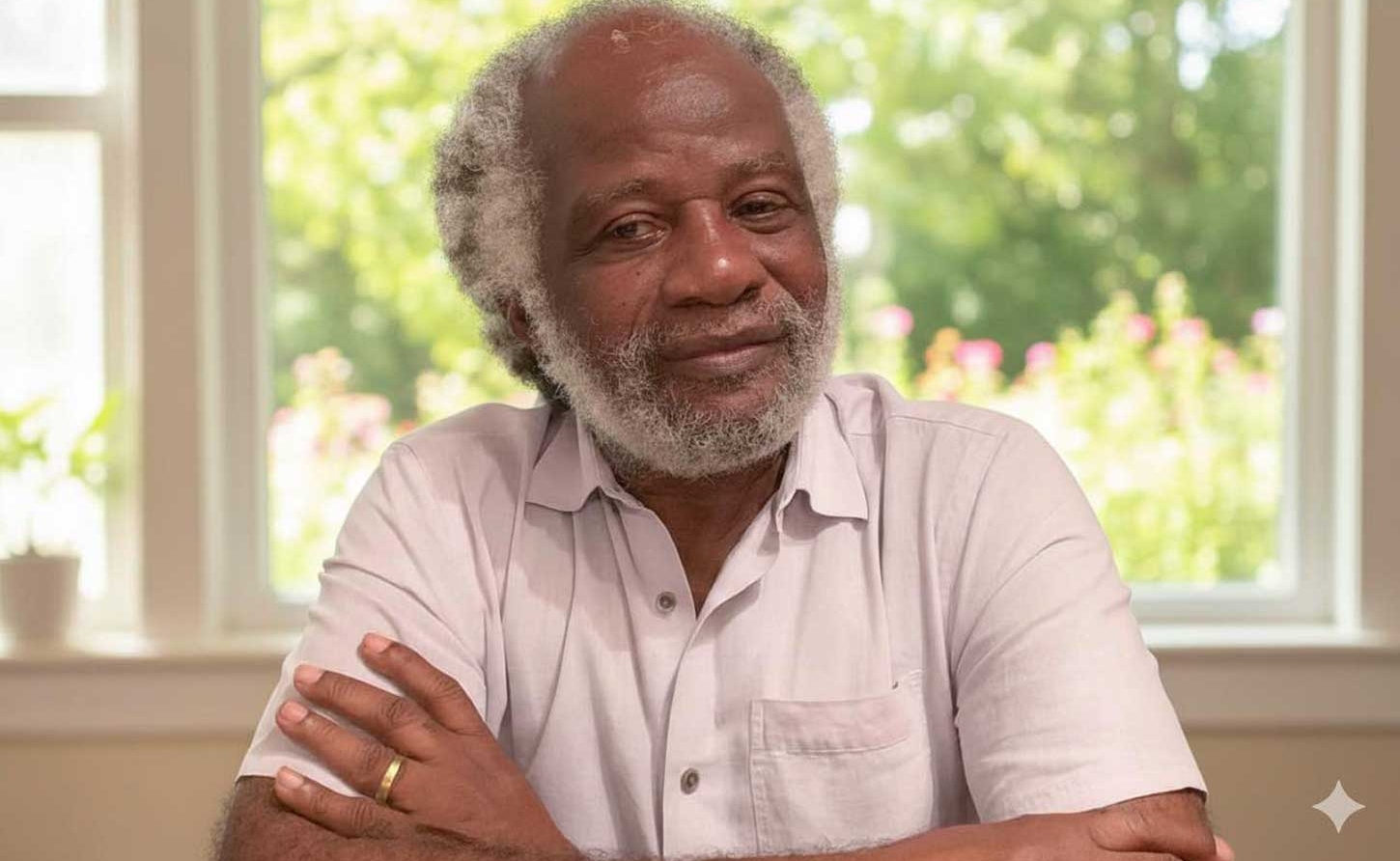
O. Dave Allen - Writer & Community Development Advocate
MONTEGO BAY, Jamaica, January 19, 2026 - Jamaica’s inclusion among 75 countries whose immigrant visa processing has been suspended by the United States is not a routine bureaucratic development. It is a diplomatic alarm bell.
For a country that once commanded respect through moral clarity, regional leadership, and principled non-alignment, this moment signals a troubling erosion of international confidence.
History offers uncomfortable parallels. The Christopher “Dudus” Coke extradition crisis remains one of the most consequential episodes in Jamaica–United States relations. It exposed the dangers of opacity, mixed signals, and delayed decision-making in matters involving extradition and foreign policy.
That episode ended in bloodshed, institutional damage, and the sudden resignation of a prime minister. It also left a residue of mistrust that has never been fully repaired.
Against this backdrop, Jamaica’s appearance on a sweeping US visa suspension list—alongside conflict states, sanctioned countries, and geopolitical adversaries—cannot be dismissed as coincidence.
While the Trump administration frames the move as a measure to prevent abuse of the US welfare system, the nationality-based scope of the suspension reveals a far more coercive logic. Immigration policy is being weaponized. Jamaica’s inclusion suggests that the country is no longer viewed as a predictable, disciplined, or strategically reliable partner.
This development comes at a time when Jamaica’s foreign policy appears uncertain and transactional. Once anchored by CARICOM solidarity, the Non-Aligned Movement, and credible engagement with progressive allies in the United States—including the Congressional Black Caucus—Jamaica now appears diplomatically adrift.
The country is navigating an intensifying hegemonic struggle between the United States and China without a clearly articulated doctrine, sending mixed signals to all sides and reassurance to none.
The Holness administration has made Chinese-backed infrastructure and Belt and Road–linked investments central to Jamaica’s development strategy. Yet it has failed to publicly explain how these engagements are balanced within a coherent foreign-policy framework that safeguards sovereignty while maintaining credible relations with traditional partners.
In the same breath, Jamaica has appeared hesitant or ambiguous on hemispheric diplomacy, extradition sensitivities, and regional coordination. In international relations, ambiguity is rarely interpreted as independence; more often, it is read as weakness.
Silence has only deepened the damage. In the absence of clear communication from the government, speculation has flourished. Jamaicans are left to wonder whether this diplomatic rebuke is connected to unresolved extradition concerns, geopolitical realignment, or a broader loss of confidence in Jamaica’s governance posture. None of these questions should be answered by rumour.
Small states do not survive great-power rivalry through improvisation. They survive through clarity, consistency, and credibility. Jamaica once understood this. Today, its foreign policy appears reactive rather than strategic—driven by short-term accommodation rather than long-term national interest. The cost of such an approach is exposure and isolation.
A Direct Challenge to the Prime Minister
Prime Minister Andrew Holness must now do what leadership demands: speak plainly to the Jamaican people. Explain why Jamaica has found itself grouped with states facing diplomatic sanction and suspicion. Clarify the country’s standing with the United States. Articulate—publicly and coherently—Jamaica’s foreign-policy doctrine in an era of renewed global rivalry.
The country cannot afford another chapter of evasiveness followed by crisis. Jamaica’s sovereignty is not protected by silence, nor is respect earned through transactional politics devoid of principle. If the Prime Minister fails to address this moment directly, he risks allowing uncertainty to harden into mistrust—at home and abroad.
Jamaica is being tested. The question now is whether its leadership will respond with honesty, courage, and strategic clarity—or whether history will once again record that the warning signs were clear, and silence was chosen instead.
O. Dave Allen -
Writer & Community Development Advocate, St. James, Jamaica
-30-
