
JAMAICA: A Cultural Superpower Living on a Developing Economy’s Wages
JAMAICA: A Cultural Superpower Living on a Developing Economy’s Wages
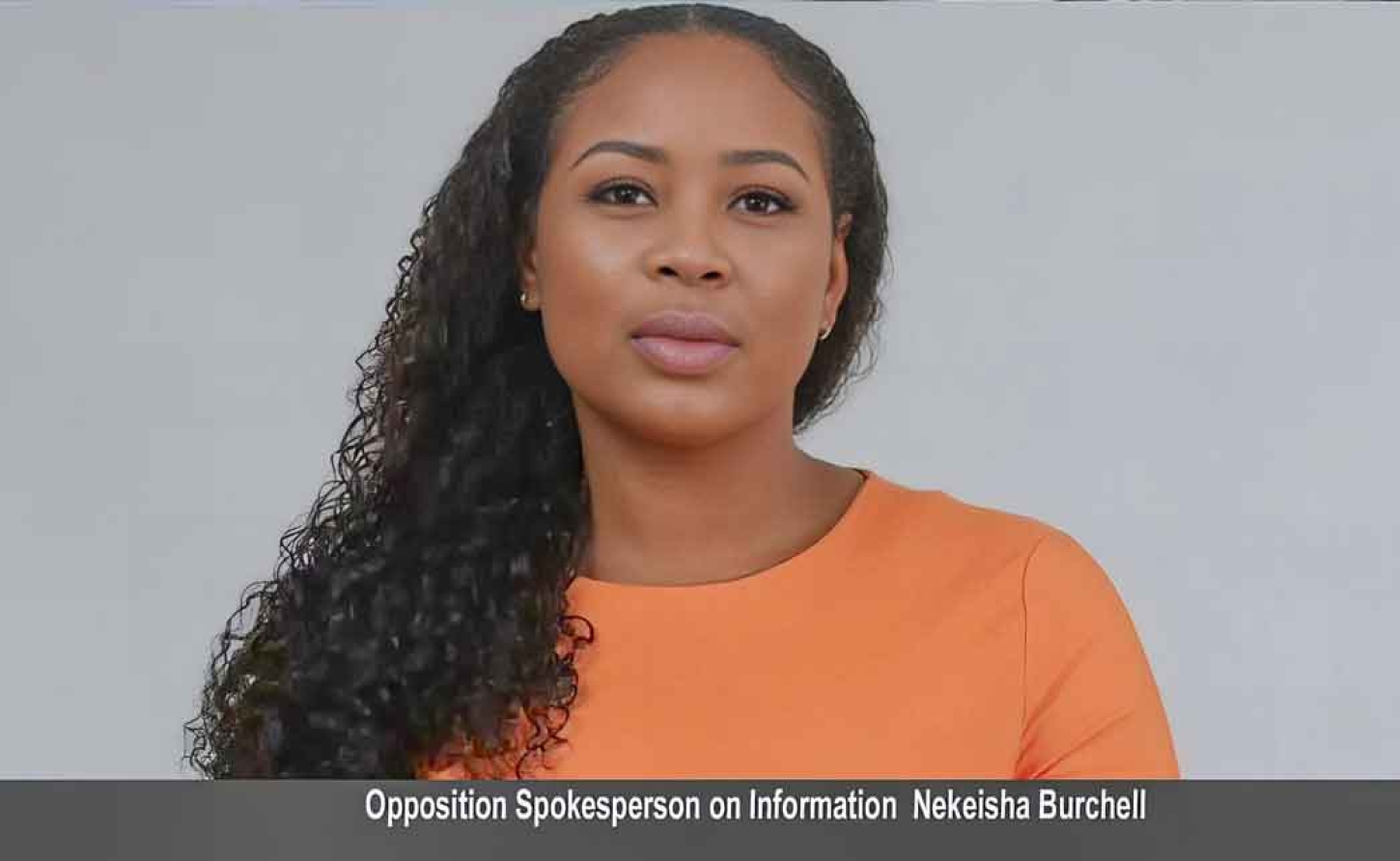
Opposition MP Nekeisha Burchell delivers a searing parliamentary indictment — Jamaica’s greatest asset has been undervalued, under-structured, and under-rewarded for far too long.
MONTEGO BAY, Jamaica, May 15, 2026 - Jamaica has spent decades exporting its soul to the world — its music, its language, its food, its defiant energy — while the communities that birthed that soul sit in economic stagnation.
That contradiction sat at the heart of a blistering parliamentary address this week by Opposition Spokesperson on Culture, Creative Industries and Information, Nekeisha Burchell, who demanded that Jamaica stop treating culture as decoration and start treating it as the serious economic infrastructure it is.
“Culture is not ornamental. Culture does the work of infrastructure,” Burchell declared in her maiden Sectoral Debate contribution in Parliament. “It drives movement, commerce, tourism, jobs, identity and economic participation.”
The South St. James MP’s intervention was not a feel-good speech about Jamaican pride. It was a prosecutorial case against decades of cultural neglect — and a blueprint for what she called “living cultural ecosystems” capable of breathing economic life back into forgotten rural communities.
“If properly structured, culture can become a powerful tool for revitalising communities that have too often been overlooked.”— MP Nekeisha Burchell
The Ruins of Rural Jamaica
Burchell’s argument begins in the silence of communities that once hummed with economic activity. “There are communities across Jamaica that once had economic life flowing through them,” she said. “The railway passed through them.
Banana trucks moved through them. Agriculture sustained them. Small businesses survived because industries existed around them. But after many of those systems disappeared, economic life dried up and entire communities were left struggling to redefine themselves.”
The prescription? Heritage. History. Identity. Weaponised for economic renewal.
Sam Sharpe: A Dollar Bill Is Not Enough
Central to Burchell’s vision is Sam Sharpe — National Hero, Baptist deacon, and the man who lit the fuse of the 1831 Christmas Rebellion, accelerating the collapse of slavery across the British Empire. For Burchell, Jamaica’s treatment of Sharpe is emblematic of the country’s wider failure to monetise its own extraordinary history.
“Too often we reduce Sam Sharpe to a portrait on a dollar bill, a mural on a wall somewhere, or a once-a-year ceremony attended by a sprinkling of people in Catadupa Square,” she said. “But Sam Sharpe is not simply Jamaican history. He is world history. What he ignited accelerated the collapse of slavery across the British Empire itself.”
The solution Burchell proposed is not more plaques and proclamations. She envisioned immersive heritage trails through rural St. James — through Croydon, Lapland, Kensington, Mocho and the districts tied to Sharpe’s movement — woven with dramatised storytelling, cultural festivals, artisan markets, culinary tourism, and community museums. Local farmers, artists, tour guides and small businesses would not be bystanders to this economy. They would be the industry itself.
“We should not only teach Sam Sharpe,” Burchell insisted. “We should dramatise him, animate him, write novels about him, produce films and streaming series about him, build merchandise around him, create educational gaming content around him and make his story emotionally alive for young Jamaicans. Other countries build billion-dollar industries around fictional superheroes. Jamaica possesses real heroes whose courage changed world history itself.”
“Other countries build billion-dollar industries around fictional superheroes. Jamaica possesses real heroes whose courage changed world history itself.”—Nekeisha Burchell
IShowSpeed Understood It. Do We?
Burchell found an unlikely ally in her argument — international content creator IShowSpeed, whose recent viral visit to Jamaica generated global attention that no tourism advertisement could have bought. The lesson was not lost on the MP.
“What captured global attention was not polished advertising,” she said. “It was Jamaican humour, Jamaican language, Jamaican energy, Jamaican food, Jamaican music and Jamaican personality.”
That authenticity, she argued, is Jamaica’s most bankable asset — and it is being squandered by a failure to structure it deliberately. “The land of reggae should sound like reggae. The birthplace of dancehall should move with dancehall,” Burchell declared. “Culture cannot only exist as an event. It must exist as an environment.”
A Superpower Paying Developing-World Wages
Burchell’s closing indictment was perhaps her sharpest. “Jamaica is a cultural superpower with a developing economy,” she said. “The question now is whether we are finally prepared to structure culture seriously enough for the people who create Jamaican culture to benefit meaningfully from its economic value.”
Jamaica profits symbolically from its global cultural identity daily — in streaming royalties, in tourism arrivals, in the global reach of the Jamaican brand. Yet the communities and individuals responsible for producing that identity too often remain outside its economic rewards. That is not a paradox to be accepted. It is a policy failure to be corrected.
That is not a rhetorical question Burchell posed. It is a policy challenge — and Parliament is precisely where it must be answered.
— 30 —
