GUYANA Bars Independent Media from Opposition Leader Vote
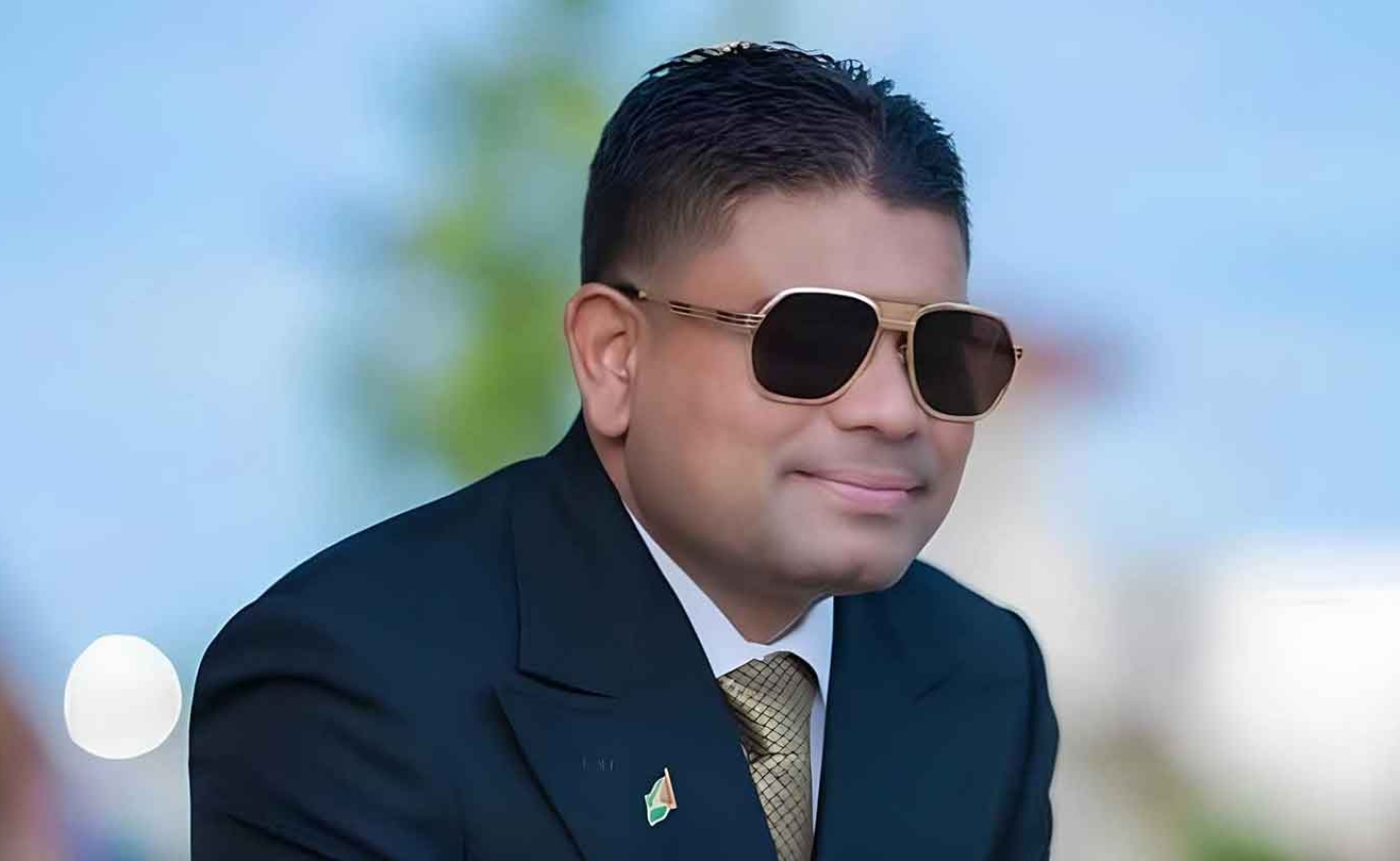
MP Azruddin Mohamed who criticised a parliamentary decision not to allow non-government media to cover the election of the Leader of the Opposition.
State-owned NCN granted exclusive access to long-overdue proceedings as presumptive Opposition Leader condemns restriction as assault on press freedom
GEORGETOWN, Guyana January 25, 2026 - When Guyana’s National Assembly convenes on Monday morning to elect a new Leader of the Opposition, the Caribbean will witness a troubling spectacle: a parliamentary milestone conducted under conditions that critics say mock the very principles of democratic transparency.
Independent journalists will be locked out. Only the state-owned National Communications Network will be permitted inside the chamber. Its singular and often colourful lens, becoming the sole window through which Guyanese citizens may observe their democracy at work.
The proceedings are already months overdue. Following the 2025 general elections, opposition parties and civil society groups have accused the governing People’s Progressive Party/Civic and parliamentary leadership of deliberately stalling the election—a delay that left the opposition without formal constitutional leadership while the ruling party consolidated power unchallenged.
Azruddin Mohamed, whose We Invest in Nationhood (WIN) party holds 16 seats as the largest opposition bloc, has condemned the media restriction in terms that leave little room for ambiguity. The decision, he declared, “demonstrates a bias and is contrary to transparency, fairness, and press freedom in Guyana.”
His objection carries weight beyond domestic politics. Mohamed’s statement was distributed to an extraordinary roster of international bodies—the US Embassy, the British High Commission, the High Commission of Canada, the United Nations Human Rights Delegation, the European Union Delegation, and Transparency International. The message is clear: Guyana’s press freedom deficit is now a matter of international concern.
One Camera, One Narrative
National Assembly Clerk Sherlock Isaacs confirmed the arrangement with bureaucratic detachment: NCN alone will cover the proceedings, sharing its feed with other outlets afterward. The Guyana Press Association has questioned the criteria underpinning this restriction, seeking clarity on whether similar limitations will shadow the budget debates scheduled for later that day.
The arrangement transforms state media from observer to gatekeeper—a role Mohamed explicitly rejected. “No single state-owned media house is the sole gatekeeper of information,” he insisted, calling on parliamentary authorities to rescind the restriction and permit all accredited journalists to cover the historic vote.
A Pattern, Not an Anomaly
Those tempted to dismiss the restriction as procedural routine should consult the European Union Election Observation Mission’s findings from Guyana’s 2025 General and Regional Elections. The EU EOM documented what many Guyanese had long suspected: state media operates less as public broadcaster than party megaphone.
The numbers are damning. Voice of Guyana radio and NCN television devoted up to 92 percent of their election coverage to the ruling People’s Progressive Party/Civic. The mission documented unlabeled promotional content masquerading as news, implicit government messaging threaded through ostensibly neutral programming, and an editorial independence so compromised as to be functionally absent.
These practices, the EU concluded, contributed to an uneven playing field that undermined “transparency, impartiality, and equitable access to information.” Monday’s media restriction suggests the lesson went unlearned.
Constitutional Officers as Political Combatants
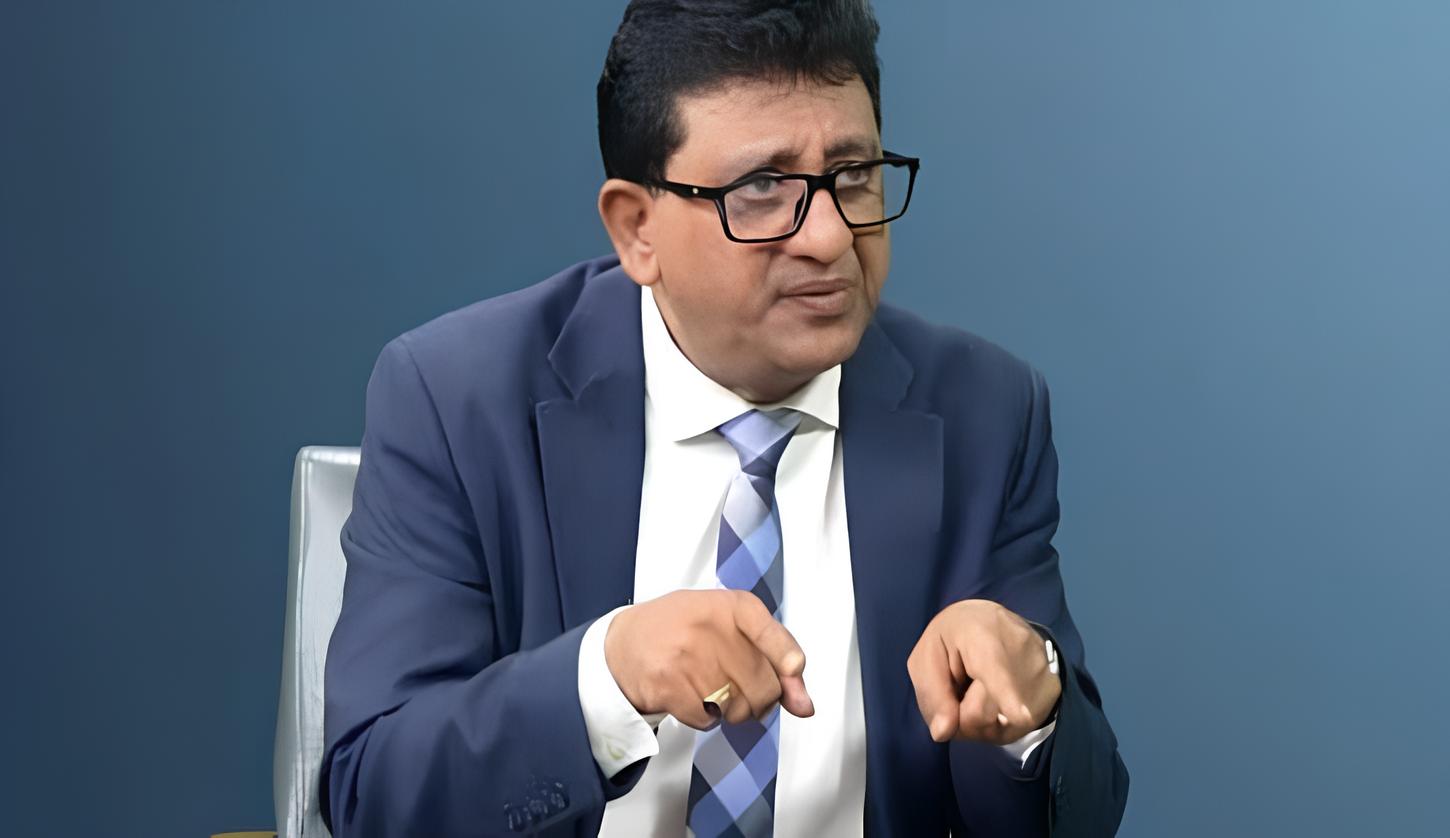
Attorney General Anil Nandlall
These are extraordinary interventions. The charges against Mohamed remain before the courts, undecided. The presumption of innocence—a cornerstone of any legal system worthy of the name—applies until a verdict is rendered. Yet here are the nation’s chief legal officer and its parliamentary speaker pronouncing judgment before any court has done so, using state platforms to delegitimize an elected representative.
What Monday Reveals
First delayed for months, now shrouded from independent scrutiny—the election of Guyana’s Opposition Leader has become a case study in democratic erosion. Mohamed has demanded transparency. The international community is watching. The question now is whether Guyana’s parliamentary authorities will permit democracy to proceed in daylight—or insist on conducting it behind closed doors, filtered through a single state-controlled lens.
For a nation still navigating the complexities of its oil-boom transformation, the answer will signal much about the democracy Guyanese can expect in the years ahead.
-30-
