
JAMAICA | The Bank of Jamaica's Impossible Choice: Holding Rates While Prices Soar
JAMAICA | The Bank of Jamaica's Impossible Choice: Holding Rates While Prices Soar
Central bank bets on stability as Jamaicans brace for inflation surge following Hurricane Melissa's devastating blow
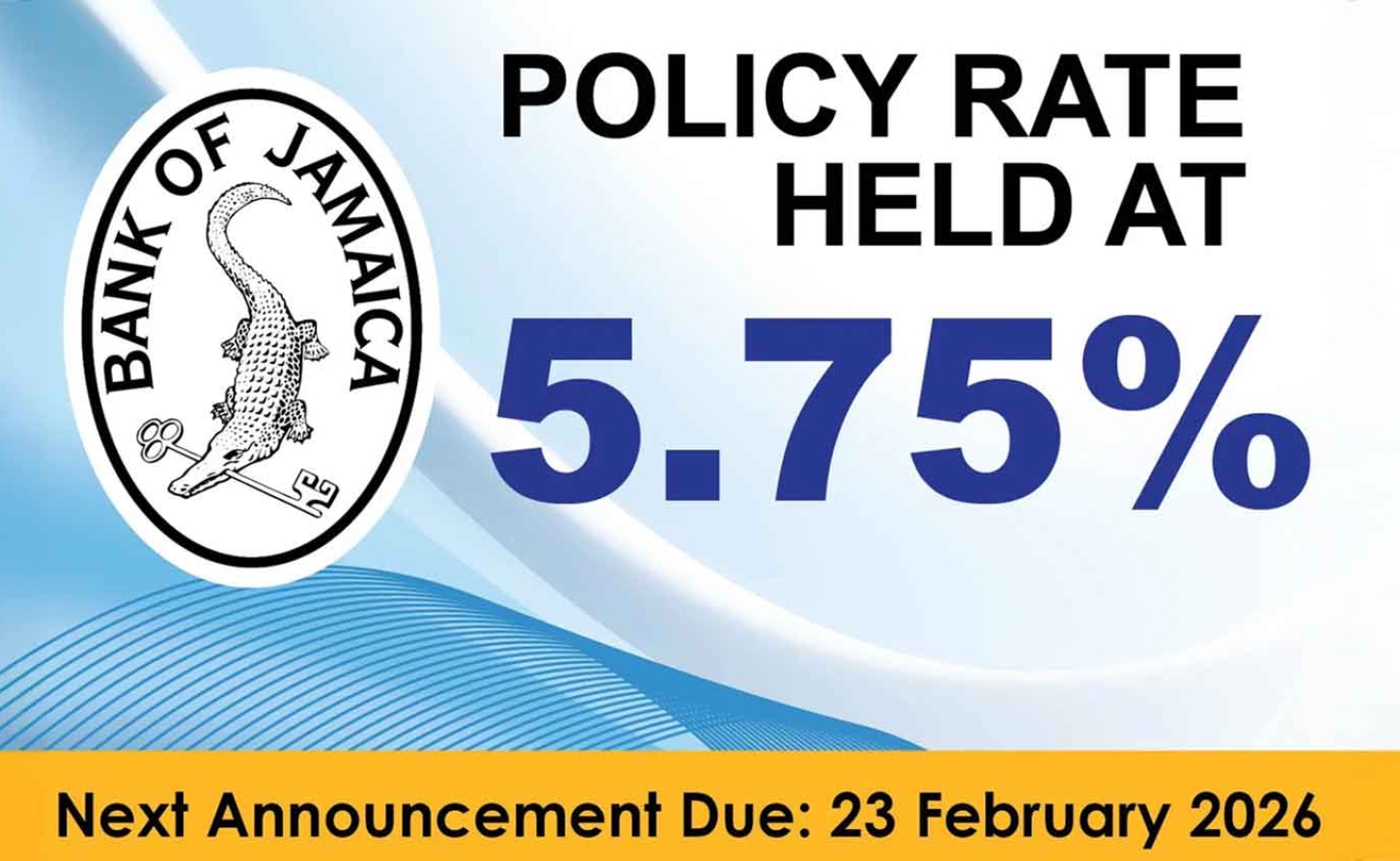
KINGSTON, Jamaica, December 21, 2025 - On December 17, the Bank of Jamaica announced it would hold its policy rate steady at 5.75 percent. The decision itself was unremarkable—central banks worldwide favor measured adjustments over dramatic swings.
What made this announcement extraordinary was the accompanying admission: inflation will rise "sharply" over coming months, exceed the bank's own 4-6 percent target range by early 2026, and remain elevated for the foreseeable future. The BOJ knows prices are about to surge. It has chosen to watch it happen.
For Jamaicans still counting the cost of Hurricane Melissa—in destroyed homes, lost livelihoods, and shattered communities—the message is bleak: monetary policy cannot save you. The question is whether it should at least try.
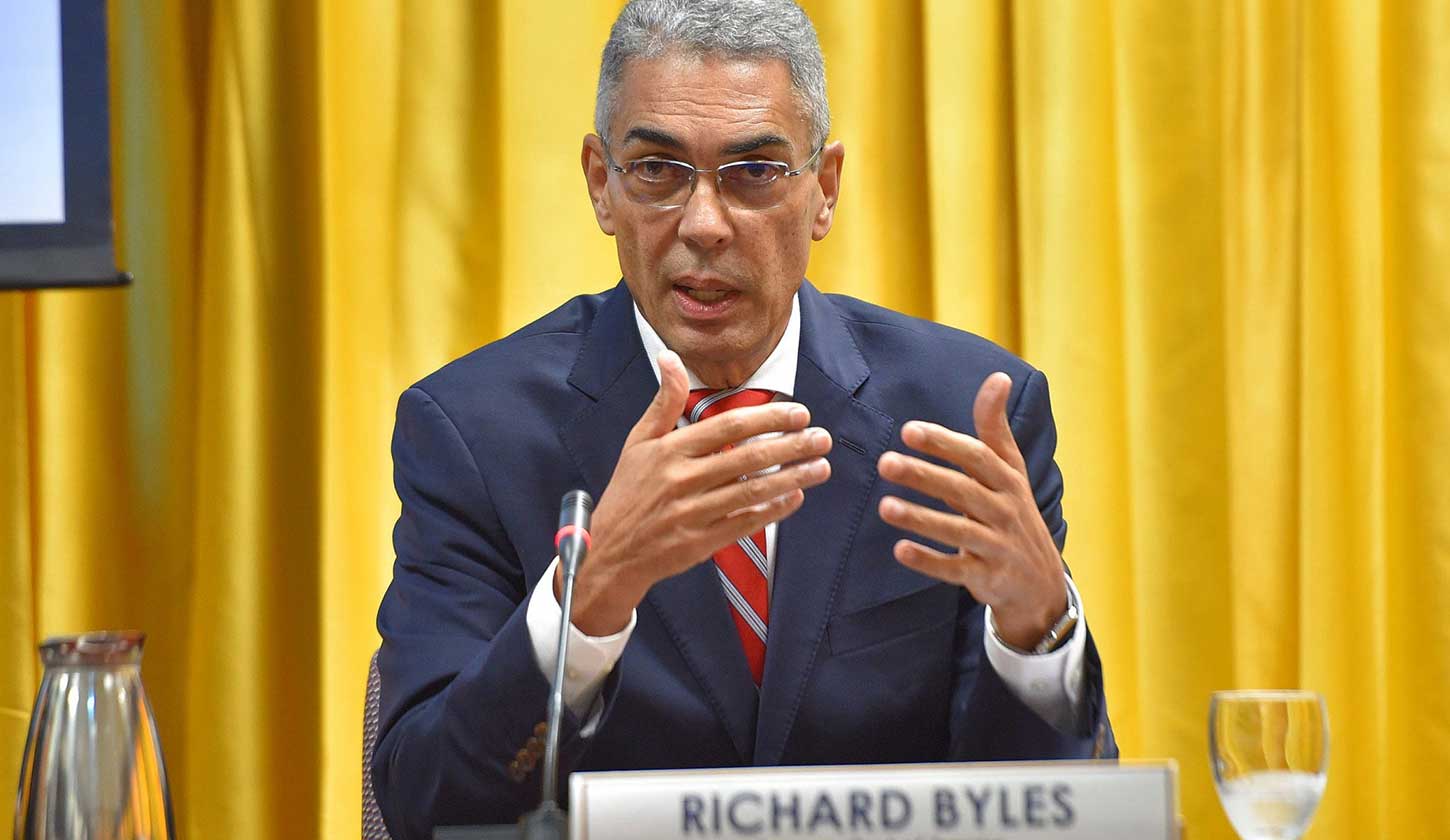 Governor of Bank of Jamaica Richard Byles - The Monetary Policy Committee (MPC) has held the policy rate@ 5.75The Brutal Mathematics
Governor of Bank of Jamaica Richard Byles - The Monetary Policy Committee (MPC) has held the policy rate@ 5.75
The numbers tell a story of catastrophic miscalculation. Initial damage estimates of 30 percent of GDP—already staggering—have been revised upward to exceed 40 percent. To understand what this means, imagine your household losing nearly half of everything it produces in a year. That's the scale of devastation Jamaica now confronts.
The agriculture sector bore the heaviest blow, suffering damage equivalent to 50 percent of its 2024 economic output. Half. This isn't abstract economic theory—it's the destruction of Jamaica's food-producing capacity at a time when families are least able to absorb price shocks.
Headline inflation already climbed from 2.9 percent in October to 4.4 percent in November, and the BOJ's own projections show it breaching the 6 percent ceiling within weeks.
Food prices are rising first, but the "second-round effects" are coming: higher costs for home repairs, restaurant meals, personal care items—the entire basket of goods Jamaicans rely on daily. Core inflation, which excludes volatile food and fuel prices, jumped from 3.7 to 4.3 percent in a single month, signaling the broader price increases are already underway.
The Rationale—And Its Limits
The BOJ's logic is technically sound: monetary policy cannot repair destroyed roads, restore electricity grids, or regenerate agricultural capacity. Raising interest rates won't rebuild what Melissa destroyed.
"This rise primarily reflects the hurricane's impact on the major food-producing parishes and disruptions to supply chains (particularly in energy and agriculture), which monetary policy cannot affect," the MPC summary states with clinical precision.
But this same logic—that supply-side shocks lie beyond central bank control—sits uncomfortably alongside the admission that reconstruction spending, "financed largely by external financing to the private and public sectors," will fuel demand and drive prices higher still.
Parliament has suspended fiscal rules for a year, opening the floodgates for government spending. Money will pour into the economy while productive capacity remains crippled.
The BOJ promises to "position monetary policy to minimise" second-round effects and "constrain inflation expectations." Yet it offers no rate increase to actually constrain anything—only heightened surveillance and a vague commitment to "adjust the stance of monetary policy" if risks "threaten the projected return of inflation to the target range in the shortest possible time."
How much threat is sufficient? How high must prices climb before monitoring becomes action?
The Real-World Impact
This is where monetary policy abstractions collide with human suffering. As MP Andrea Purkiss documented in her letter to the Tourism Minister, hospitality workers—many of whom lost their homes while caring for tourists during the hurricane—now face extended unemployment. Six-month mortgage moratoriums will expire long before hotels reopen. The "brutal arithmetic of survival," as Purkiss termed it, is about to get worse.
When food prices surge 20, 30, 40 percent in coming months, workers without income won't be consoled by explanations about supply-side shocks beyond monetary policy's reach.
When electricity costs spike, families choosing between powering their homes and feeding their children won't appreciate the BOJ's commitment to preserving "relative stability in the foreign exchange market."
The MPC acknowledges its commitment to "limit hardships on vulnerable groups," but offers no mechanism beyond hope that inflation expectations remain anchored.
The Uncomfortable Questions
The BOJ's calculation may very well be correct—perhaps raising rates would inflict more damage than benefit, choking off recovery before it begins. But Jamaica deserves a more robust defense than silence masquerading as stability.
The central bank's next policy announcement comes February 23, 2026. By then, inflation will have exceeded targets for weeks. Jamaicans will know exactly whose recovery monetary policy is designed to protect—and whose suffering it has decided to accept as unavoidable collateral damage.
-30-
